Windows & Your Home’s Energy Ecosystem
Windows play a much larger role in home energy use than many homeowners realize. They influence how heat enters and escapes your home, how often your HVAC system runs, and ultimately how much energy your household consumes. Because energy production is closely tied to carbon emissions, your windows directly affect your home’s carbon footprint.
Older or inefficient windows allow heat transfer, air leaks, and excess solar gain, all of which increase energy demand. Modern, energy efficient windows are designed to manage these factors more effectively, helping homes operate with less wasted energy. Below, we break down four key ways windows impact energy performance and how upgrading to efficient windows can support both sustainability and long-term savings.
#1: Insulation & Heat Transfer (U-Factor)
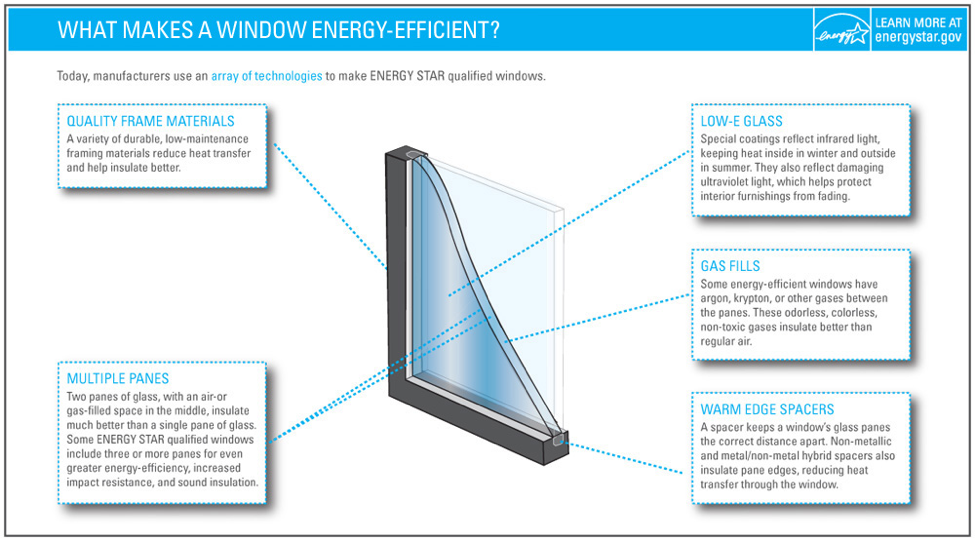
A window’s U-factor measures how well it insulates by indicating how quickly heat passes through the window system. The lower the U-factor, the better the insulation performance.
Windows with poor insulation allow heat to escape during winter and enter during summer. This forces heating and cooling systems to run longer and more frequently, increasing energy consumption and greenhouse gas emissions.
Older single-pane windows offer minimal insulation and are one of the largest contributors to heat loss in a home. Energy efficient replacement windows typically feature:
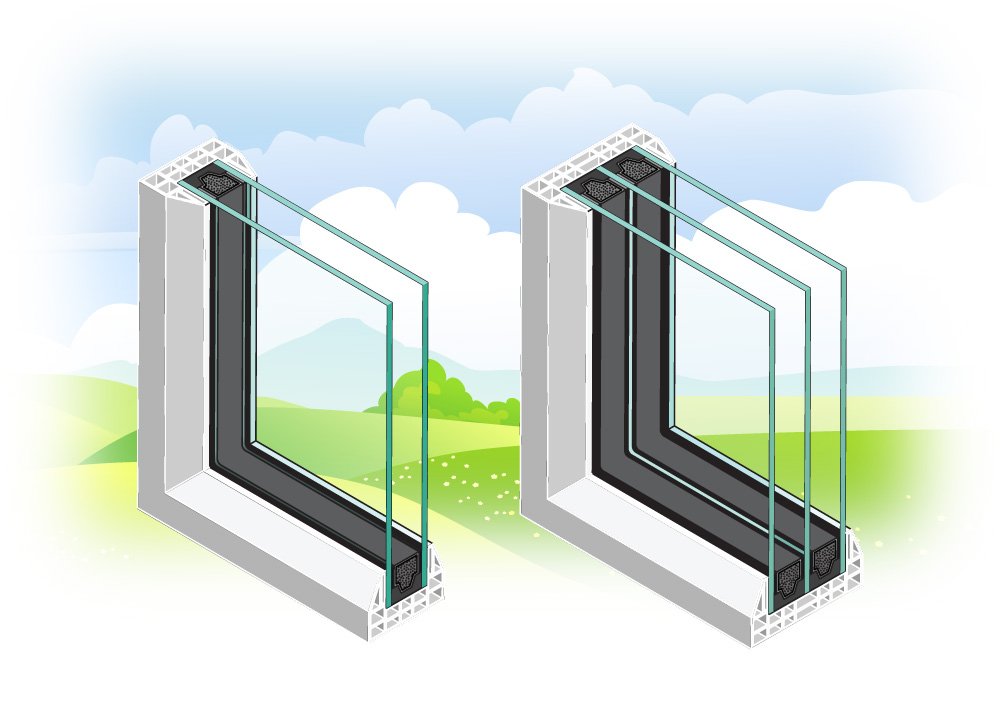
- Double- or triple-pane glass
- Argon or krypton gas fills
- Low-E (low emissivity) coatings
These technologies slow heat transfer and help maintain stable indoor temperatures. By reducing HVAC workload, energy efficient windows lower energy use while improving year-round comfort.
#2: Solar Heat Gain Control (SHGC)
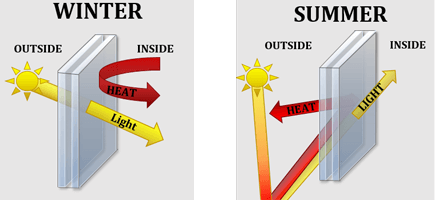
The Solar Heat Gain Coefficient (SHGC) measures how much solar heat passes through a window. Managing solar heat gain is essential for maintaining energy efficiency—especially in climates with seasonal temperature swings.
- Lower SHGC values help block unwanted heat in warmer months
- Higher SHGC values can support passive solar heating in colder climates
When windows allow too much solar heat gain, air conditioning systems must compensate, increasing electricity use and emissions. Energy efficient windows are designed with coatings that control solar heat without blocking natural light.
Choosing the right SHGC rating for your climate helps balance indoor temperatures, reduce cooling loads, and limit unnecessary energy consumption. This strategic control of heat gain plays a meaningful role in lowering a home’s carbon footprint.
#3: Air Leakage & Drafts
Air leakage occurs when gaps around windows allow outside air to enter and conditioned air to escape. Drafty windows are a common issue in older homes and are a major source of wasted energy.
In winter, warm air escapes and cold air enters
In summer, cooled air leaks out while hot, humid air moves inside
This constant exchange forces HVAC systems to cycle more frequently. increasing energy use and wear on equipment. Air infiltration can also introduce moisture, leading to condensation and long-term damage.
Energy efficient windows are designed with tighter seals and precision installation methods that minimize air leakage. Properly sealed replacement windows can dramatically improve comfort, reduce energy loss, and lower emissions.
#4: Window Frame Materials & Thermal Breaks

Having your windows properly installed is paramount to making sure they are performing as intended. An improperly installed window can let in outside air and even moisture. This causes damage and increases the amount of energy needed to heat or cool your home. If your windows are getting old, you may experience similar issues so it is important to know when to get your windows replaced. At Fisher Windows, we give a lifetime warranty on workmanship and service to ensure your windows are functioning as efficiently as possible from the start and that you get the most usable life out of them. Click here to schedule a free consultation today.
Window frame materials play a critical role in overall energy performance. Different materials conduct heat at different rates.
- Vinyl and fiberglass frames offer excellent insulation and durability
- Wood frames provide natural insulation but require ongoing maintenance
- Aluminum frames are durable but conduct heat unless they include thermal breaks
Thermal breaks are insulating barriers within the frame that reduce heat transfer. Windows designed with these features help maintain consistent indoor temperatures and limit energy loss. Selecting the right frame material contributes to better-performing, efficient windows and supports long-term energy savings by reducing heat movement through the window structure.
Benefits of Energy-Efficient Windows Beyond Carbon Reduction
The benefits of energy efficient windows extend well beyond lowering carbon emissions. Homes with efficient windows tend to feel more comfortable year-round, with fewer drafts and more consistent temperatures. Noise reduction is another advantage, as modern window systems help block outside sound.
Lower energy usage often translates into reduced utility bills, making replacement windows a smart long-term investment. Energy efficient windows can also enhance curb appeal and improve home value, aligning sustainability with everyday comfort and financial benefits.
Additional benefits homeowners often experience include:
- Improved indoor temperature consistency from room to room
- Reduced strain on heating and cooling systems
- Better moisture control and fewer condensation issues
- Increased resale appeal for energy-conscious buyers
Together, these advantages make energy efficient windows a practical upgrade with lasting impact.
Fisher Windows Solutions for Energy Efficiency
Fisher Windows offers a range of energy efficient window options designed to meet ENERGY STAR® standards and perform well in local climate conditions. Each energy efficient window is evaluated for:
- U-factor and insulation performance
- SHGC ratings for balanced solar control
- Frame materials designed for durability and efficiency
Professional installation is critical to achieving maximum efficiency. Fisher Windows prioritizes proper installation techniques to minimize air leakage and ensure long-term performance.
Homeowners benefit from:
- Clear education on efficiency ratings and performance factors
- Recommendations tailored to home design and climate
- Installation practices focused on durability and energy efficiency
This approach ensures your replacement windows deliver measurable energy savings and lasting value.
The Big Picture: How Windows Impact Energy Efficiency, and Long-Term Savings
Windows play a critical role in your home’s overall energy performance. They affect insulation levels, solar heat gain, air leakage, and how efficiently energy moves in and out of your home. Together, these factors directly influence energy usage, utility costs, and your home’s carbon footprint.
If your home has older or underperforming windows, reviewing window efficiency ratings is a smart first step. Comparing U-factor and Solar Heat Gain Coefficient (SHGC) values can help identify where energy loss is occurring and where improvements can be made.
A professional window assessment provides clarity on whether energy efficient replacement windows would improve comfort and reduce energy consumption. Working with Fisher Windows allows homeowners to explore high-performance window solutions designed to enhance comfort, improve efficiency, and deliver long-term energy savings.