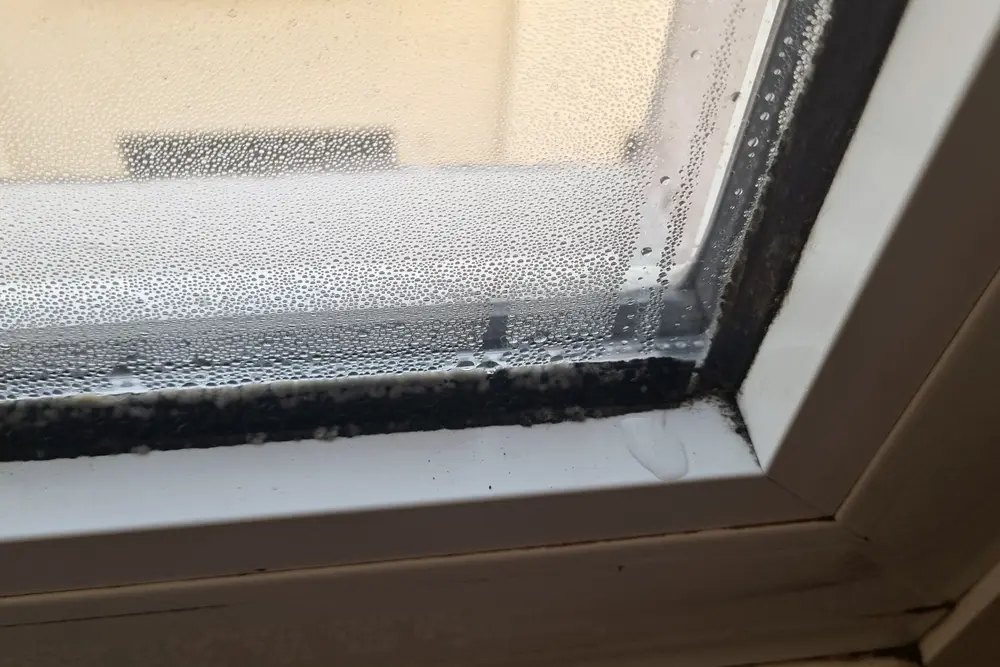
Cold drafts make your home uncomfortable and force your heating system to work harder that often results in higher energy bills. Many Massachusetts homeowners assume the HVAC system is the problem, but in most cases the real issue is much simpler: old or poorly sealed windows.
When windows can no longer block outside air, your rooms heat unevenly, the furnace runs longer, and your home becomes far less energy-efficient. A small draft may not seem serious, but it’s a sign that your home’s thermal barrier is failing.
This guide explains how to find the source of window drafts, DIY ways to reduce cold air leaks, and when it’s time to consider replacement windows.
How to Identify Where Cold Air Is Coming In
The first step in stopping drafts is figuring out where the air is entering your home. Even newer homes shift and settle over time, creating gaps that aren’t obvious at first glance. Here are the most common areas where window air leaks occur:
1. Window Frames
Window frames, especially wood, expand and contract with seasonal humidity. Over time this movement weakens the connection between the frame and the wall, creating gaps. Vinyl frames can also warp from direct sunlight, causing seals to fail.
2. Window Seals
Broken or deteriorated window seals are one of the top causes of cold air infiltration. When the seal around double-pane windows fails, outside air begins to seep in and efficiency drops quickly. We often see this with older double-pane windows.
3. Window Glazing
Old glazing putty can also be a problem. On older wood windows, glazing holds the glass firmly in place. As it ages, it gets brittle and begins to crack. These cracks create small paths for outside air. You may notice the putty pulling away from the glass or crumbling when touched.
4. Windowsills
The windowsill is another area to check. Water damage can cause wood sills to rot or split. Once that happens, the windowsill loses its strength and shape. Any gap between the windowsill and sash can let air into a room. A soft or uneven sill will need to be repaired.
Simple ways to detect drafts:
- On a windy day, run your hand around the window edges and feel for cold air.
- Have someone stand outside while you shine a light around the window frame from indoors. If they see light escaping, you likely have a gap where air can get in.
- Burning an incense stick inside the room is another trick. If the smoke moves sharply near the window, air is leaking in.
Finding the exact source of the draft helps determine whether a repair will work or if a full replacement window is the better long-term solution.
DIY Fixes to Reduce Air Leaking through Windows
You don’t always need brand-new windows right away. These budget-friendly fixes can help reduce drafts and temporarily improve comfort.
1. Install Weather Stripping
Weather stripping is an easy DIY solution for window gaps. It comes in several forms, including:
- Foam tape
- Felt
- Rubber
When you install it around the window’s sash or frame, weather stripping creates a much tighter seal. It is a strong first step for windows with small gaps.
2. Caulk Window Frames
Another helpful DIY approach is to caulk your windows. The caulk can seal cracks around the frame, where it meets the trim or wall. Modern caulks last a long time and are flexible; this ensures that the seal can hold up well as the home expands and contracts with environmental changes. Here’s how to caulk a window to prevent drafts:
- Clean the area first so the caulk will firmly adhere to it.
- Apply a smooth bead of caulk to block out outdoor air.
- Leave the area undisturbed until it dries.
3. Add Storm Windows
Storm windows offer another layer of protection against drafts and energy loss. These windows can be installed on the exterior or interior of your existing windows. Interior storm windows have become more popular because they are simple to install and remove. They also help to increase insulation for older single-pane windows.
4. Improve Attic Insulation
Attic insulation is an often-overlooked option. A substantial portion of heat loss happens through the attic. When the attic is under-insulated, your home’s internal temperature becomes harder to control. Improving your attic insulation can help stabilize the indoor temperature.
Reinforce Window Trim
Loose or damaged window trim can create small openings that allow cold air to enter. Securing or replacing trim and adding backer rod behind it can tighten the seal around your window and reduce air infiltration.
When It Is Time to Replace Drafty Windows
Eventually, there comes a time when repairs no longer solve the problem. Knowing the following signs can help you decide when replacement is the best overall choice:
- Condensation between the panes. When the seal in a double or triple pane window fails, moisture enters the space between the glass panels. This not only makes the window foggy, but it also removes the insulating gas that improves energy efficiency. Once the seal is broken, the window loses much of its performance.
- Warped frames. A warped frame creates uneven pressure points around the sash. Even new weather stripping will not properly seal these gaps. Warping often occurs after years of sun exposure or water damage.
- Major energy loss. If you notice that rooms near old windows feel colder than the rest of the home, or if your heating bills rise each season, the windows may no longer provide a proper thermal barrier. You may also feel drafts even after applying weather stripping or caulk.
Modern replacement windows are constructed to a standard that older windows simply cannot match. High-quality windows now use advanced thermal coatings, insulated frames, and improved locking systems. Double and triple pane options with argon or krypton gas help keep indoor temperatures steady. Low-E (low-emissivity) coatings let in natural light while reflecting heat. These upgrades help reduce your energy bills and make you and your family much more comfortable.
Why Fisher Windows Replacement Makes a Difference
With window replacement, the installer is just as important as the windows you choose. Fisher Windows Replacement offers top-notch service and expertise that gives homeowners confidence from start to finish.
Trusted Window Brands We Install
These brands are known for their strong performance, long life, and reliable craftsmanship. By offering several options, Fisher helps customers choose a window that aligns with their needs, budget, and style.
Our Seamless 4-Step Replacement Process
- In-home evaluation of your current windows and draft issues.
- Window selection guidance based on efficiency, style, and budget.
- Precision installation ensuring airtight, long-lasting performance.
- Lifetime labor and service warranties for complete peace of mind
Fisher Windows delivers reliable service, excellent products, and superior installation—helping homeowners eliminate drafts, improve energy efficiency, and enjoy consistent indoor comfort.
Ready for a More Comfortable, Efficient Home?
Cold drafts can quickly make your home uncomfortable and raise your energy bills, but you can prevent these issues by taking the right steps. Start by finding out where the air is coming in, try simple DIY fixes, and get a replacement when necessary.
Fisher Windows can guide you through the entire process and provide high-quality, long-lasting results. If you want a warmer, more efficient home, contact Fisher Windows today for a free estimate.