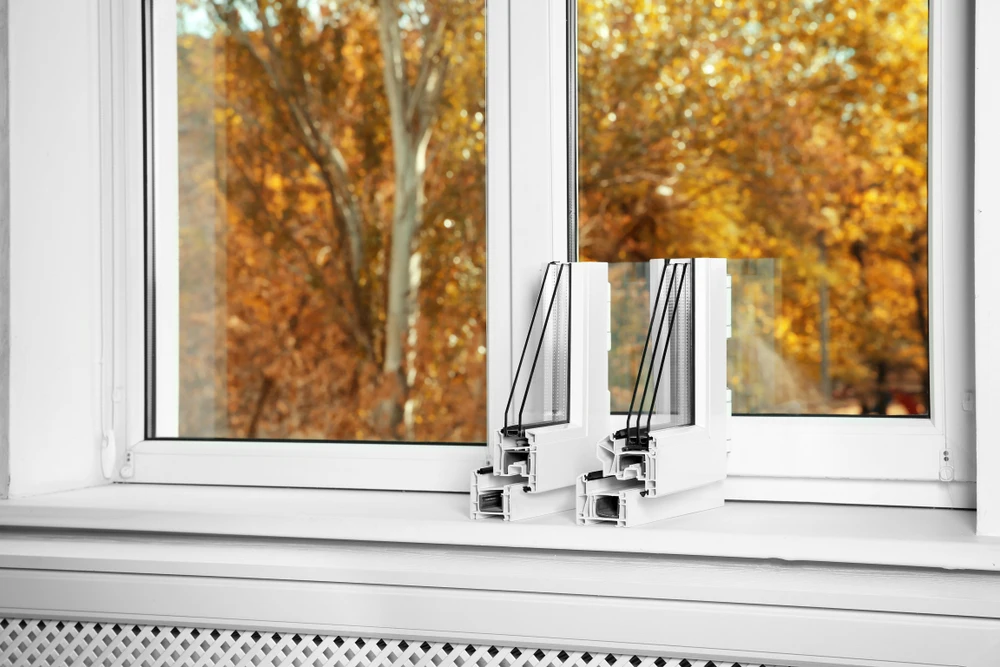
Triple-pane windows are made with three sheets of glass and two insulated spaces, helping reduce heat loss, drafts and outside noise.
For homeowners, that extra insulation can make rooms feel more comfortable during cold winters and give the heating system a bit of a break. Here’s how triple-pane windows compare with double-pane options, what the different performance ratings mean and when paying for the upgrade might make sense.
Triple-Pane vs. Double-Pane Windows: The Quick Version
A triple-pane window, also known as a triple-glazed window, has three panes of glass with two sealed insulating chambers between them. These chambers are typically filled with air or an insulating gas such as argon or krypton. Double-pane and dual-pane windows are two names for the same type of window, which has two panes of glass and one insulated chamber.
Because of the extra pane and second chamber, triple-pane windows generally provide better insulation than comparable double-pane models. They can be especially helpful for homeowners in cold, heating-heavy climates such as Massachusetts or anyone dealing with rooms that always feel cold or drafty. They may also improve comfort around large windows and help reduce noise from traffic, airports and other nearby sources.
Triple-pane windows may be worth considering if you plan to stay in your home long enough to benefit from the added performance or if you’re building or renovating a highly energy-efficient home. However, that doesn’t mean every house needs them.
A well-built and properly installed double-pane window can still perform very well. The right choice depends on the quality and performance of the entire window—not just the number of panes.
How Triple-Pane Windows Improve Energy Efficiency
Thermal performance is simply a measure of how well a window slows heat moving through the glass, frame, sash and spacers.
During a harsh winter, a high-performing window helps keep heated air inside and makes the interior glass feel warmer. During summer, it can help limit unwanted outdoor heat.
Triple-pane windows slow heat transfer by using two insulated chambers instead of one. Low-E coatings, insulating gas, warm-edge spacers and an energy-efficient frame can improve their performance even more.
What Is a Window’s U-Factor?
U-factor measures how quickly heat passes through a window. The lower the number, the better the window is at insulating.
Actual performance depends on the manufacturer, window size, operating style, frame material and glass package.
When comparing windows, check the National Fenestration Rating Council label for the exact product and configuration you’re considering.
Whole-Unit vs. Center-of-Glass U-Factor
You may see two different U-factor measurements while shopping for windows.
A center-of-glass U-factor measures only the insulated glass near the middle of the pane. Because it leaves out the frame and edges of the glass, this number usually looks more impressive.
A whole-unit U-factor includes the glass, frame, sash and spacer system. It gives you a more realistic idea of how the complete window will perform once installed.
Whenever possible, compare whole-unit ratings. Two windows may use similar glass but perform differently because one has a better-insulated frame or spacer system.
Low-E Coatings
Low-E stands for “low emissivity.” It’s a microscopically thin coating added to the glass to manage radiant heat without making the window look heavily tinted or mirrored.
During winter, the right Low-E package helps keep more warmth inside your home. In warmer weather, it can reduce the amount of solar heat coming through the glass. It may also block some of the ultraviolet light that can fade flooring, furniture and artwork.
There isn’t one ideal coating for every window. The best option depends on your local climate, the window’s direction and how much sunlight you want to let inside. For example, a sunny south-facing window may need a different glass package than one facing north or west.
Single, Double and Triple Low-E Coatings
Single, double and triple Low-E typically refer to the number of silver layers in a soft-coat Low-E product—not the number of panes in the window.
- Single Low-E: Offers basic thermal control while allowing plenty of natural light and solar warmth. It can be useful when passive winter heat is a priority.
- Double Low-E: Provides stronger insulation and solar control while still allowing good natural light. It’s a popular all-around choice for residential windows.
- Triple Low-E: Offers greater control over solar heat and may work well on windows that receive intense sunlight. Depending on the product, it may slightly affect visible light or exterior reflectivity.
Some glass packages also offer a HeatLock hard coating on a room-side glass surface. This coating is designed to reflect radiant heat back into the room, which can help the glass feel warmer during cold weather.
Because coatings affect insulation, solar heat gain, natural light and appearance, it’s best to compare complete glass packages instead of focusing only on the number of Low-E layers.
Can Triple-Pane Windows Reduce Outside Noise?
The extra glass and airspace in a triple-pane window may help quiet outside noise, but the number of panes is only part of the equation.
Glass thickness, spacing between panes, laminated glass, frame construction and installation quality can all make a big difference.
Sound-control upgrades can be especially useful in:
- Street-facing bedrooms
- Nurseries
- Home offices
- Rooms near highways, rail lines or airports
- Living spaces facing schools or commercial properties
- Bedrooms used by light sleepers or overnight workers
Natural Light, Window Styles and Appearance
Triple-pane windows provide plenty of natural light, though the extra glass and coatings may slightly reduce brightness. If natural light is a priority, compare samples indoors and outdoors to see how they affect color and reflectivity.
Thicker glass and wider sashes may also reduce the visible glass area, especially in smaller windows. Casement, awning and fixed picture windows typically offer strong energy efficiency, while double-hung windows provide a traditional look with either double- or triple-pane glass.
Are Triple-Pane Windows Worth the Cost?
Triple-pane windows generally cost more than similar double-pane models. You’re paying for additional glass, a second gas-filled chamber, stronger hardware and the extra work involved in manufacturing the unit.
Whether the upgrade pays off depends on several factors:
- The condition of your current windows
- Your heating and cooling costs
- The number and size of the windows
- Air leaks around the existing frames
- Your home’s insulation and air sealing
- Window orientation and shading
- Installation quality
- Available rebates or financing
- How long you plan to stay in the home
Replacing old, deteriorated or single-pane windows will usually produce a more noticeable improvement than replacing newer double-pane windows that are still performing properly.
Energy savings also aren’t the only kind of return. Warmer glass, fewer drafts and quieter rooms can make your home more comfortable immediately, even if it takes years for the energy savings to cover the added cost.
Triple-pane windows may be worth considering if you’re replacing single-pane windows, planning a long-term renovation, aiming for very low energy use or trying to fix stubborn comfort issues.
Triple-Pane Window FAQs
Are triple-pane windows always more energy-efficient?
Usually, but not automatically. Look at the whole-unit U-factor. The frame, Low-E coatings, gas fills, spacers, air-leakage rating and installation quality all affect performance.
Do triple-pane windows eliminate condensation?
They can reduce condensation by keeping the interior glass warmer, but they can’t eliminate moisture caused by high indoor humidity. Condensation between the panes may be a sign of seal failure.
How much more do triple-pane windows cost?
The price difference varies by brand, size, style and glass package. Compare the installed price and performance of specific products instead of relying on a standard percentage.
Are triple-pane windows too heavy for an older home?
Not necessarily. A professional installer can inspect the openings, framing and window style to determine what will work. The added weight simply makes proper installation and correctly sized hardware even more important.
Do triple-pane windows block natural light?
They may let in slightly less visible light than a comparable double-pane unit, but most homeowners will still get plenty of daylight. Looking at glass samples can help you compare brightness, color and reflectivity.
Can double-pane windows meet ENERGY STAR requirements?
Yes. ENERGY STAR certification is based on tested performance, not the number of panes. Some double-pane windows qualify, while some triple-pane models may not.
How long do triple-pane windows last?
That depends on the product, installation, weather exposure and maintenance. Review the manufacturer’s coverage for the glass seals, frame, hardware and finishes, along with Fisher Windows’ labor and service warranties.
Quick Decision Checklist
Triple-pane windows may be a good choice if your current windows are single-pane, damaged or noticeably drafty. They can also help if certain rooms stay cold even when the heat is running or if improving year-round comfort is a top priority for you.
The upgrade may make even more sense if you plan to stay in your home for many years and want windows with a lower U-factor. If outside noise is a concern, look for triple-pane models with sound ratings suited to your neighborhood.
Still not sure? Request a free quote from Fisher Windows for a side-by-side comparison based on your home, budget and comfort goals.