Why Pane Count Matters
When homeowners begin researching replacement windows, one of the most common questions we hear is whether double-pane or triple-pane windows are the better choice. Both options improve comfort and efficiency compared to older windows, but they serve slightly different needs.
Modern window panes do much more than provide a view. The number of glass layers directly affects insulation, noise control, and overall home efficiency. Each pane creates an additional barrier that slows heat transfer and improves indoor comfort. Understanding how pane count impacts performance helps you make a confident decision for your home and climate.
What are Double-Pane Windows?
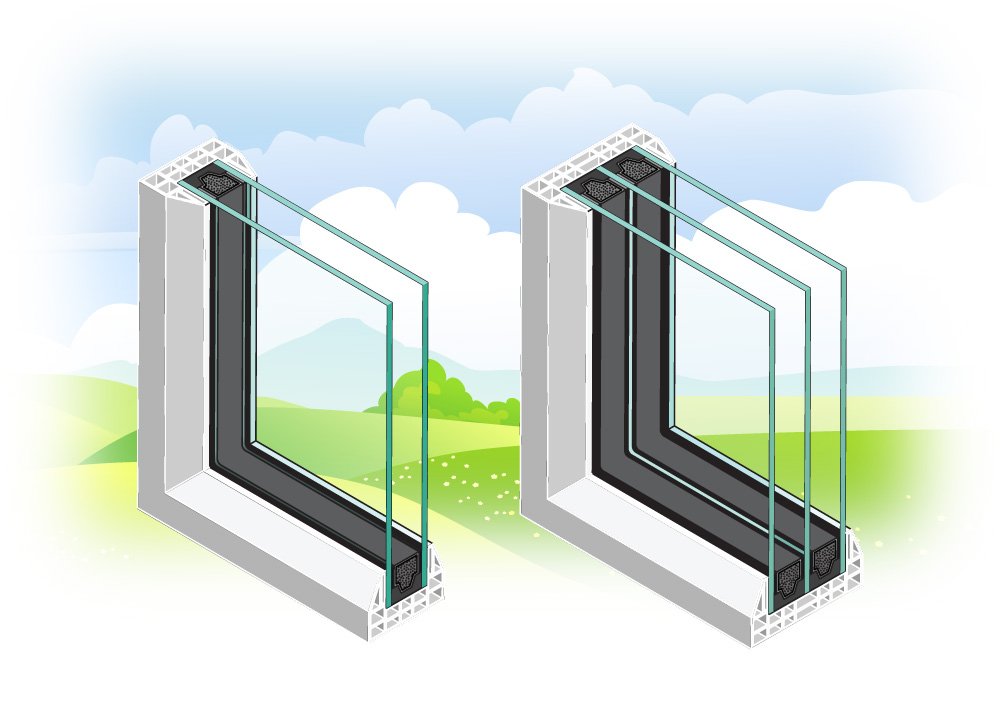
A double pane window consists of two sheets of glass separated by a sealed insulating space. That space is typically filled with argon or krypton gas, which is denser than air and slows heat transfer between the indoors and outdoors. This design significantly improves insulation compared to single pane windows, which only contain one layer of glass and little resistance to temperature change.
Because the two panes work together to create an insulating barrier, double pane windows reduce drafts and help maintain more consistent indoor temperatures. They are also lighter than triple-pane options and generally easier to operate and maintain. For many homeowners, a well-built double pane window provides an ideal balance between performance, durability, and affordability.
What are Triple-Pane Windows?
A triple pane window builds upon the same concept but adds a third layer of glass and a second insulating gas space. This additional layer increases thermal resistance and creates two sealed chambers instead of one.
With more insulating material and an extra pane to block heat transfer, triple pane windows provide enhanced performance in extreme temperatures. The additional glass layer also improves sound dampening and adds another barrier for durability. While the difference may not always be dramatic in moderate climates, in certain environments the third pane can offer noticeable improvements in insulation and comfort.
A triple pane window includes:
- Three sheets of glass
- Two sealed gas-filled chambers
- Enhanced thermal resistance
Adding a third pane increases insulation and sound control.
Benefits of Triple Pane Windows
- Lower U-factor (better heat resistance)
- Improved noise reduction
- Enhanced comfort in extreme cold
- Increased durability
Triple pane windows are often recommended in very cold climates or high-noise environments.
Double Pane vs Triple Pane Windows: Energy Efficiency Comparison
Energy performance is one of the biggest considerations when comparing pane options. The extra insulating layer in triple-pane units generally results in lower U-factors and higher R-values, meaning better resistance to heat transfer. This can reduce the workload on your heating and cooling system, especially during peak winter or summer months.
Double-pane models already offer substantial improvement over single pane windows, particularly when combined with Low-E coatings and insulating gas fills. For many homes, this level of efficiency provides strong performance without excessive cost.
Double Pane Windows:
- Major improvement over single pane
- Excellent efficiency with Low-E coatings
- Ideal for moderate to cold climates
- Lower upfront investment
Triple-pane options further reduce heat loss and heat gain, which may lead to more stable indoor temperatures. However, the energy savings should be weighed against the overall double vs triple pane windows cost difference to determine which option aligns best with your goals and budget.
Triple Pane Windows:
- Higher R-values
- Lower heat loss in winter
- Reduced HVAC strain
- Potential long-term savings in extreme climates
- In the Greater Boston climate, triple pane windows can improve winter insulation. However, the energy savings often do not dramatically exceed the performance of a high-quality double pane unit.
Noise Reduction and Comfort
Pane count also influences sound control. The additional glass layer and insulating space in triple-pane units help reduce sound transmission from outside sources. This can be especially beneficial if you live near busy streets, airports, or dense urban areas.
While double pane windows already reduce outside noise compared to older window designs, triple-pane construction adds another barrier that helps dampen vibrations before they reach your interior space. For homeowners prioritizing a quieter indoor environment, this added sound control may be a deciding factor.
Comfort extends beyond temperature as well. Reduced drafts, fewer cold spots near windows, and improved indoor air stability all contribute to a more comfortable living space year-round.
Performance in Different Climates
Climate plays a major role in choosing between pane options. In colder regions, where long winters demand consistent heating, triple-pane construction can offer meaningful insulation benefits. The additional thermal resistance helps retain indoor heat and may reduce strain on heating systems.
In moderate climates, the performance difference between double- and triple-pane windows may be less noticeable. For these homeowners, double pane windows often deliver sufficient energy efficiency without the added upfront expense.
Homes exposed to extreme heat, strong winds, or heavy seasonal temperature swings may benefit more from the upgraded insulation of triple-pane construction. Evaluating local climate conditions is an important step in determining which solution is the most practical.
Cost and Value Considerations
Budget is naturally part of the decision. Triple-pane units typically carry a higher upfront price due to the additional materials and manufacturing complexity. In some cases, they can cost significantly more than comparable double-pane models.
However, value should be evaluated over time. In colder climates with high energy costs, the improved insulation may contribute to long-term savings. In milder environments, the additional investment may not yield a noticeable return.
When comparing options, it is helpful to consider your long-term plans for the home, expected energy usage, and overall comfort priorities. Replacement windows are an investment, and selecting the right configuration ensures that investment aligns with your goals.
We recommend double pane windows for most of our customers since it is the best value in terms of price and functionality. For most people, the increased cost of a triple pane window does not sufficiently offset the energy savings compared to a double pane window. However, there are also reasons why a triple pane window might be preferable for you. If you're in the Greater Boston area and want to know which window will be best for you, get in touch here and we'll point you in the right direction.
Which Option Is Right for You?
The right choice ultimately depends on your priorities. If you are focused on balanced performance and affordability, a high-quality double-pane option may meet your needs. If maximum insulation and sound reduction are top priorities, triple-pane construction may be worth exploring.
Here is a quick checklist to guide your decision:
- Are your current windows older single pane windows?
- Do you experience significant drafts or temperature swings?
- Is outside noise a concern in your neighborhood?
- Are energy costs a major factor in your decision?
- Do you live in a region with long, harsh winters?
Answering these questions can clarify which option makes sense for your home.
Which Window Performs Best in Massachusetts?
Climate matters.
In Cold New England Winters:
Triple pane windows provide stronger insulation and heat retention.
In Moderate or Mixed Climates:
High-performance double pane windows often deliver nearly identical comfort at a lower cost.
For most homes in the Greater Boston area, double pane windows provide excellent performance without unnecessary expense.
Quick Decision Checklist
Ask yourself:
- Are my current windows single pane?
- Do I feel drafts in winter?
- Is outside noise a major issue?
- Are high heating bills a concern?
- Am I planning to stay in this home long-term?
Your answers help determine whether double or triple pane replacement windows are the smarter investment.
Our Recommendation as a Window Replacement Contractor
At Fisher Windows, we evaluate:
- Home orientation
- Insulation levels
- Local climate exposure
- Energy efficiency goals
- Budget
We recommend double pane windows for most homeowners because they provide the strongest balance of cost, durability, and performance.
However, if your home experiences extreme cold exposure or significant outside noise, triple pane windows may be the better fit.
There is no one-size-fits-all answer — only the right answer for your home.
Schedule a Window Consultation in Greater Boston
If you’re considering double pane vs triple pane replacement windows and want expert guidance, our team is here to help.
We specialize in professional window replacement throughout the Greater Boston area and will provide an honest recommendation based on your home’s needs.
Contact Fisher Windows today to schedule your consultation and make the right investment in comfort, efficiency, and long-term value.